








Introduction
When news about a gillingham shopping center emergency begins to spread, people naturally want clear facts instead of rumors. A busy shopping centre is part of everyday life for local residents, workers, and visitors, so even a temporary disruption quickly attracts attention. The real story is rarely about dramatic headlines. It is about how well emergency services respond, how shopping centre staff protect visitors, and how quickly normal operations can return without putting anyone at risk.
Why Emergency Incidents at Shopping Centres Receive Immediate Attention
Large shopping centres bring together thousands of people throughout the day. Families, elderly visitors, employees, delivery drivers, and shoppers all share the same public space. Because of that, any emergency can affect more than the immediate area where the incident takes place.
A gillingham shopping center emergency naturally becomes a subject of public interest because people want to know whether the centre remains safe to visit, whether stores are operating normally, and whether emergency services have resolved the situation. Quick access to reliable information helps reduce unnecessary concern while allowing emergency personnel to focus on their work.
Public spaces depend on preparation, and shopping centres are no exception.
Understanding How Emergency Services Respond
A coordinated response is one of the strongest safeguards during any public incident. Every emergency has different circumstances, but the overall approach remains consistent.
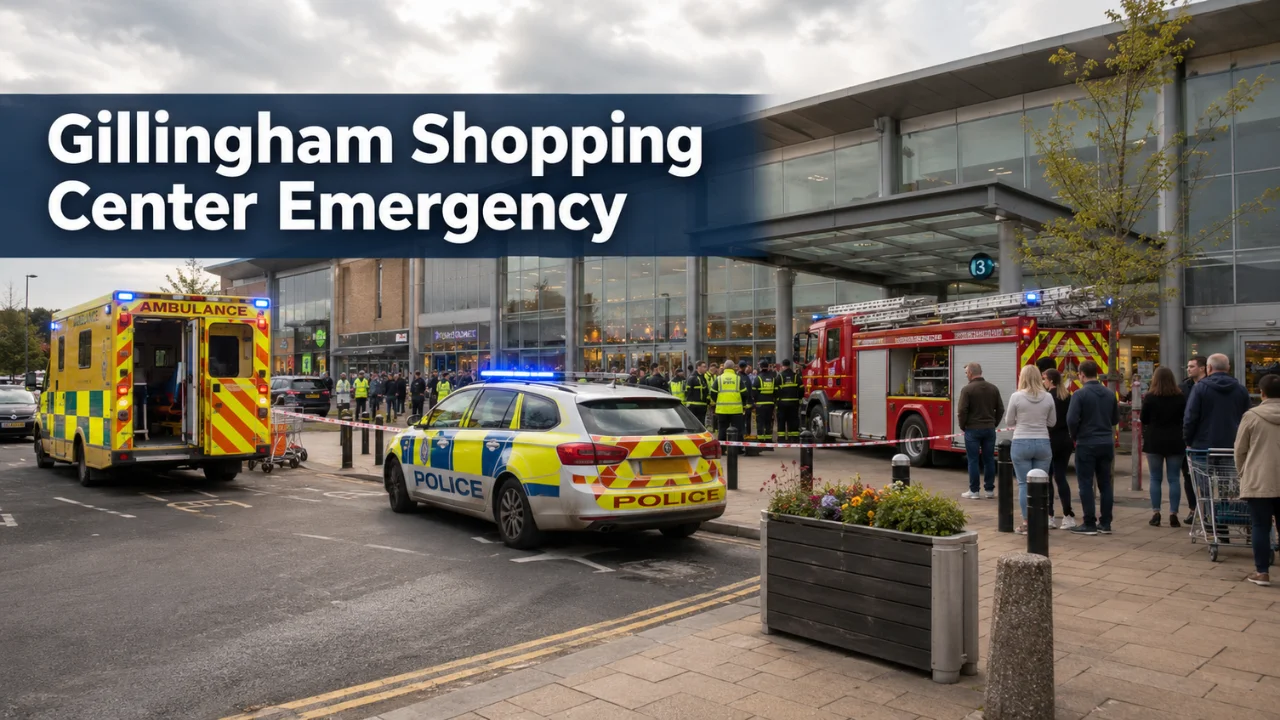
Police officers are responsible for securing affected areas, controlling access, and supporting public safety. Ambulance crews provide immediate medical assistance if someone has been injured or becomes seriously ill. Fire and rescue services investigate fire alarms, smoke reports, or other situations involving potential hazards.
During a gillingham shopping center emergency, these services work together rather than independently. Shopping centre management also supports the response by providing building access, CCTV footage, communication systems, and assistance with directing visitors.
That cooperation allows trained professionals to assess the situation quickly while limiting disruption to the wider shopping centre.
The Importance of Clear Communication
One challenge during any emergency is the speed at which unverified information spreads online. Witnesses often post photographs or brief comments before official updates become available.
This can create confusion.
A gillingham shopping center emergency should always be judged by confirmed information released through responsible sources rather than speculation shared on social media.
Shopping centre staff also play an important role by providing announcements, guiding visitors toward safe exits when necessary, and answering questions once emergency services have established control of the situation.
Good communication builds confidence. Poor communication creates unnecessary uncertainty.
Safety Procedures Already Exist Before an Emergency Happens
Effective emergency management begins long before an incident occurs.
Modern shopping centres prepare for situations such as medical emergencies, accidental injuries, security concerns, fire alarms, severe weather, and temporary evacuations. Employees receive emergency training so they know how to respond calmly and efficiently.
The value of these preparations becomes clear whenever a gillingham shopping center emergency requires a rapid response. Staff members understand their responsibilities, security personnel know how to support emergency services, and visitors receive clear directions designed to keep everyone safe.
Preparation rarely attracts attention until the moment it becomes essential.
Why Temporary Restrictions Should Not Cause Alarm
Visitors sometimes become concerned when entrances are closed or parts of a shopping centre are temporarily restricted.
In most situations, these actions are precautionary.
Emergency responders often isolate only the affected area while assessing conditions. This allows them to work safely without exposing members of the public to unnecessary risk.
During a gillingham shopping center emergency, temporary restrictions are often evidence that established safety procedures are working as intended. They help emergency personnel complete their work efficiently while protecting shoppers and employees nearby.
How Shopping Centre Security Supports Emergency Teams
Security staff are usually the first people to respond before emergency services arrive.
Their responsibilities include assessing the initial situation, contacting emergency services, assisting with crowd management, monitoring CCTV systems, and communicating with retailers throughout the building.
Once police, ambulance crews, or fire services arrive, shopping centre security continues supporting the response by providing access to restricted areas, sharing important information, and helping visitors follow official instructions.
A well-trained security team can make a significant difference during a gillingham shopping center emergency because they already understand the layout, emergency exits, and operational procedures of the building.
Technology Strengthens Public Safety
Modern shopping centres rely on more than security personnel alone.
CCTV systems provide continuous monitoring throughout public areas. Public announcement systems allow important messages to reach visitors quickly. Emergency lighting helps guide people during evacuations, while clearly marked exits support safe movement if normal routes become unavailable.
These systems do not replace trained professionals, but they allow emergency services to make informed decisions based on accurate information.
Technology is most valuable when it quietly supports effective planning rather than becoming the focus of attention.
The Impact on Retailers and Daily Operations
Even a short interruption can affect businesses operating inside a shopping centre.
Retail staff may pause sales while emergency services complete their work. Restaurants and cafés may temporarily stop serving customers. Deliveries can be delayed, and shoppers may choose to leave before completing purchases.
Although these disruptions affect business activity, protecting public safety must always remain the first priority.
Retailers understand that customer confidence depends on responsible decision-making. A shopping centre that responds professionally during a gillingham shopping center emergency is more likely to maintain public trust than one that attempts to minimise or ignore safety concerns.
Practical Advice for Visitors
People often wonder how they should react if they find themselves present during an emergency.
The most effective response is usually the simplest one.
Remain calm and pay attention to instructions from shopping centre staff or emergency personnel.
Avoid gathering around emergency vehicles or restricted areas simply to observe what is happening.
Use designated exits if directed to leave the building.
Do not spread unconfirmed information online while emergency services are still managing the incident.
If you witnessed an important detail that could assist investigators, report it directly to the appropriate authorities instead of relying on social media.
Small actions from members of the public can support a faster and safer response.
Lessons That Improve Future Preparedness
Every emergency response becomes an opportunity to strengthen future planning.
After operations return to normal, shopping centre management typically reviews communication procedures, response times, security performance, and coordination with emergency services. Feedback from retailers and staff also helps identify practical improvements.
These reviews allow emergency plans to evolve based on real experience rather than assumptions.
For that reason, a gillingham shopping center emergency is not only about responding to one incident. It also encourages stronger preparation for whatever challenges may arise in the future.
Why Public Confidence Depends on Preparedness
People visit shopping centres expecting a safe environment where they can shop, meet friends, enjoy meals, and spend time with family. Maintaining that confidence requires continuous planning, staff training, reliable security systems, and close cooperation with emergency services.
The true measure of any shopping centre is not whether unexpected situations occur. It is whether those situations are handled professionally, responsibly, and with public safety placed above everything else.
When viewed from that perspective, a gillingham shopping center emergency becomes a reminder that preparation, calm decision-making, and coordinated action remain the strongest foundations of public safety.
A Final Thought
Headlines often focus on the incident itself, but the lasting story is how people respond. Well-trained staff, coordinated emergency services, and sensible public cooperation do far more to protect a community than speculation ever will. Confidence in a public space is earned through preparation, and every effective response reinforces that trust for everyone who walks through the doors.
FAQs
1. Is a shopping centre always evacuated during an emergency?
No. Emergency services decide whether a full evacuation, a partial evacuation, or temporary restrictions are the safest option based on the specific circumstances.
2. Why do police sometimes block only one section of a shopping centre?
Isolating a limited area allows emergency teams to investigate safely while reducing disruption to stores and visitors in unaffected parts of the building.
3. How do shopping centres prepare for emergencies before they happen?
Staff receive emergency training, security systems are regularly monitored, evacuation procedures are practiced, and management coordinates with local emergency services to maintain readiness.
4. What should shoppers avoid doing during an emergency?
Avoid entering restricted areas, interfering with emergency responders, or sharing unverified information that could create unnecessary confusion.
5. Can businesses reopen quickly after an emergency?
Yes. Once emergency services confirm that affected areas are safe, retailers can usually resume normal operations according to guidance from shopping centre management and the relevant authorities.
Read More: Smiles 2 Ledgewood: Complete History, Operation Smiles Investigation, and 2016 Closure