








Introduction
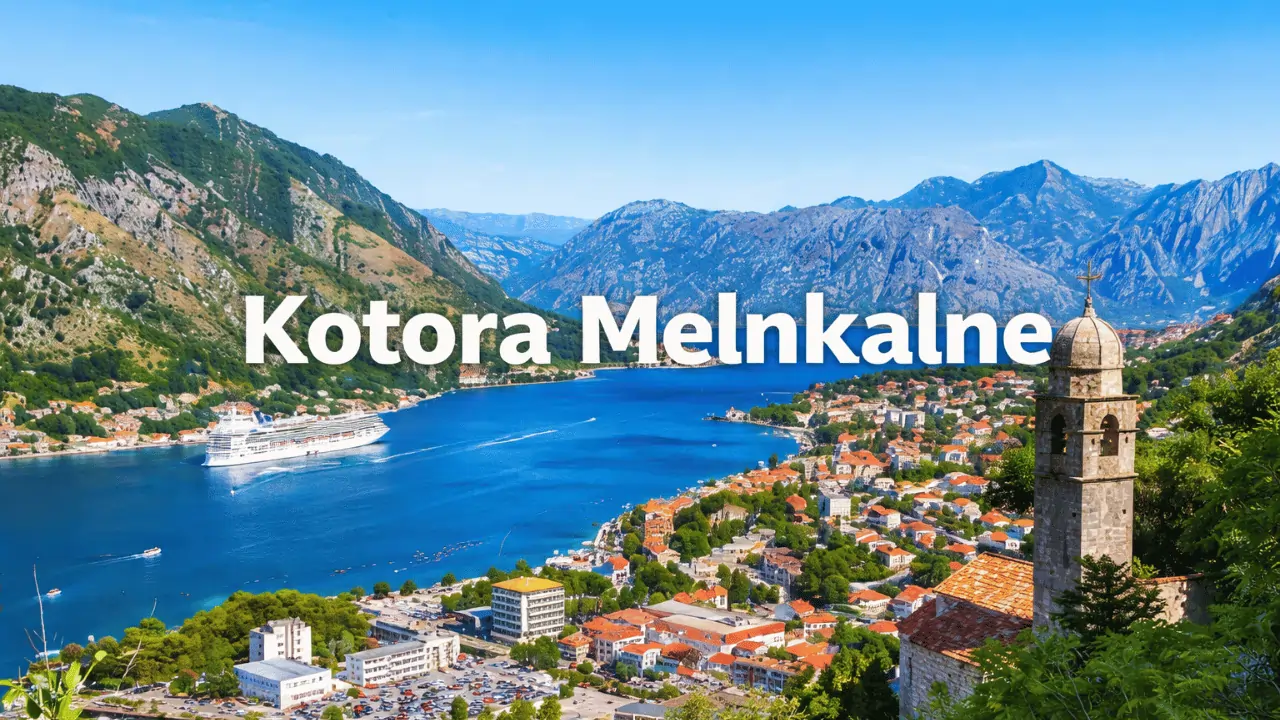
Standing on the edge of the Bay of Kotor changes your expectations of Montenegro almost instantly. Towering mountains meet calm blue water, centuries-old stone buildings line narrow streets, and every viewpoint offers a scene that feels untouched by passing travel trends. That lasting impression is exactly why kotora melnkalne continues to attract travelers looking for more than another crowded coastal stop. Instead of rushing from one landmark to the next, the experience rewards patience, curiosity, and a willingness to explore beyond the obvious.
A Destination Where Mountains and the Sea Meet Perfectly
One of the strongest qualities of kotora melnkalne is its remarkable landscape. Unlike destinations built around long sandy beaches, Kotor is surrounded by steep limestone cliffs that rise dramatically above one of Europe’s most beautiful natural bays.
The Bay of Kotor stretches deep into Montenegro’s coastline, creating peaceful waterfront views that change throughout the day. Early mornings bring calm reflections across the water, while evenings cast a warm glow over the historic buildings that line the shore.
The scenery never feels repetitive. A short walk along the promenade reveals fishing boats, sailing yachts, traditional stone houses, and distant mountain peaks sharing the same horizon. Even visitors who arrive with high expectations often leave impressed by how naturally the landscape and the town fit together.
That setting is one of the main reasons kotora melnkalne leaves such a lasting impression.
Walking Through a Historic Old Town
The Old Town remains the heart of kotora melnkalne. Protected by medieval walls, its narrow streets invite visitors to slow down rather than rush between attractions.
Stone alleys connect quiet courtyards, lively squares, churches, cafés, and family-owned restaurants that have welcomed both locals and travelers for years. The streets are intentionally compact, making every walk feel different even when following the same route twice.
Rather than filling the town with modern architecture, careful restoration has preserved its historic appearance. Wooden shutters, stone staircases, and centuries-old buildings continue to define the atmosphere without feeling staged.
One of the most recognizable landmarks is St. Tryphon Cathedral. Built during the twelfth century, it remains an important part of Kotor’s architectural heritage. Nearby palaces and public buildings still display the influence of Venetian rule, reminding visitors that this town played an important role in Adriatic trade for generations.
Exploring without a fixed schedule often becomes the most rewarding part of visiting kotora melnkalne.
The Fortress Above the City Rewards Every Step
No visit to kotora melnkalne feels complete without climbing the historic fortress overlooking the town.
The trail follows hundreds of stone steps that gradually rise above the Old Town. Although the climb requires effort, especially during warmer months, the panoramic views become more impressive with every turn.
From the top, visitors can see the entire Bay of Kotor stretching between rugged mountains and peaceful water. The medieval walls appear even more impressive from above, demonstrating why the city’s defensive position mattered for centuries.
Starting the climb shortly after sunrise is often the best choice. Temperatures remain comfortable, the lighting is excellent for photography, and the route stays much quieter than later in the day.
A Rich History Still Shapes Daily Life
History in kotora melnkalne is not limited to museums or guided tours. It remains visible throughout the streets, architecture, and local traditions.
The area experienced Roman influence before becoming part of the Byzantine Empire. Later, Venetian rule left a lasting mark on the city’s appearance, culture, and commercial importance. Defensive walls expanded over time as the town protected itself against repeated attacks and political change.
Even after centuries of conflict, earthquakes, and rebuilding, much of the original character survived.
Walking through the Old Town today feels less like visiting an outdoor museum and more like stepping into a community where history continues to be part of everyday life.
UNESCO Recognition Reflects Its Cultural Importance
The historic center of Kotor earned recognition as a UNESCO World Heritage Site because of both its cultural significance and remarkable state of preservation.
Unlike destinations that have replaced historic buildings with modern developments, Kotor has managed to protect its medieval layout while remaining an active place to live and work.
Historic churches continue serving local communities. Public squares remain gathering places rather than decorative attractions. The surrounding mountains and the bay contribute just as much to the area’s identity as the architecture itself.
That balance gives kotora melnkalne an authenticity that cannot be recreated.
Local Food Deserves More Attention Than Fine Dining
Travelers often remember meals just as clearly as famous landmarks.
Restaurants throughout kotora melnkalne focus heavily on fresh local ingredients rather than complicated presentation. Seafood naturally plays a central role because of the town’s coastal location.
Grilled fish, black risotto, mussels, octopus, shrimp, and locally produced olive oil regularly appear on traditional menus. Cured meats, handmade cheeses, and freshly baked bread are also common throughout the region.
Family-owned restaurants tucked inside quiet streets often provide a more memorable dining experience than larger establishments located along busy waterfront areas.
Eating outdoors while overlooking the bay becomes part of the experience rather than simply another meal.
Exploring Beyond the Old Town Adds a New Perspective
Although the Old Town attracts most visitors, surrounding locations deserve equal attention.
Perast
Only a short drive from Kotor, Perast offers elegant stone buildings, peaceful waterfront views, and a slower pace. Boat trips from Perast frequently visit the famous island church known as Our Lady of the Rocks.
Bay Boat Tours
Boat excursions reveal the coastline from a completely different angle. Small villages, historic churches, and hidden coves become easier to appreciate while traveling across the calm waters of the bay.
Mountain Roads
The winding mountain road above Kotor provides spectacular viewpoints across the bay. Every turn reveals another panoramic scene, making the drive one of Montenegro’s most rewarding experiences.
Visitors who spend extra time exploring outside the city often discover why kotora melnkalne feels much larger than its historic center alone.
Choosing the Right Season Makes a Difference
Every season offers a different experience.
Spring brings comfortable temperatures, green hillsides, and fewer visitors.
Summer creates a lively atmosphere with outdoor dining, festivals, and frequent cruise ship arrivals. The town becomes busier, but long daylight hours allow plenty of time for sightseeing.
Autumn combines warm weather with noticeably smaller crowds, making it one of the best seasons for relaxed exploration.
Winter transforms the bay into a peaceful destination where quiet streets and cooler temperatures create a completely different atmosphere.
For travelers interested in photography and walking tours, spring and autumn usually provide the most enjoyable conditions.
Practical Tips Before You Visit
Planning ahead improves the overall experience.
Comfortable walking shoes are essential because historic streets remain uneven and the fortress climb involves hundreds of stone steps.
Early mornings offer the best opportunity to explore popular attractions before larger visitor groups arrive.
Staying overnight instead of taking a short day trip allows visitors to experience the Old Town after sunset, when the streets become quieter and the atmosphere feels even more authentic.
Local cafés accept visitors at a relaxed pace, making them excellent places to pause and appreciate the surroundings rather than constantly moving between landmarks.
These simple choices often make a visit to kotora melnkalne far more rewarding.
Why Travelers Continue Returning
Some destinations impress visitors once but fail to encourage a second visit.
Kotora melnkalne achieves the opposite.
Its appeal extends beyond famous landmarks because every visit reveals something different. One traveler may remember the fortress views, while another recalls a peaceful evening beside the bay or an unexpected conversation in a small café.
The destination never relies on oversized attractions or artificial entertainment. Instead, it succeeds through atmosphere, history, architecture, and natural beauty working together without competing for attention.
That balance explains why so many visitors leave planning another trip before the first one has truly ended.
Final Thoughts
Kotora melnkalne rewards travelers who slow their pace and pay attention to the details that others often overlook. The medieval streets, mountain scenery, historic landmarks, and calm waters of the Bay of Kotor create an experience that feels genuine from beginning to end. Rather than trying to see everything in a few hours, spend time walking without a schedule, enjoy the local cuisine, and take in the changing views across the bay. Those quieter moments often become the strongest memories and the reason this remarkable destination continues to stand out among Europe’s coastal treasures.
Frequently Asked Questions
1. How many days are ideal for visiting kotora melnkalne?
Two to three days give enough time to explore the Old Town, climb the fortress, enjoy local restaurants, and visit nearby places around the Bay of Kotor.
2. Is the fortress climb difficult?
The climb includes several hundred stone steps and requires moderate fitness. Starting early in the morning and carrying water makes the journey much more comfortable.
3. Can visitors explore the area without renting a car?
Yes. The Old Town is completely walkable, while buses, taxis, and boat tours make it easy to reach nearby attractions.
4. Which season offers the best overall experience?
Spring and autumn provide pleasant weather, fewer crowds, and excellent conditions for sightseeing, hiking, and photography.
5. What makes kotora melnkalne different from other Adriatic destinations?
Its combination of preserved medieval architecture, dramatic mountain scenery, rich maritime history, and the peaceful Bay of Kotor creates an experience that feels authentic rather than overly commercialized.
Read More: Valplekar: How Healthy Puppy Play Builds Confidence and Social Skills