








Introduction
The internet rarely agrees on everything, and that is exactly what makes giniä worth discussing. Instead of repeating assumptions or copying the same recycled paragraphs, it makes more sense to look at the real patterns surrounding giniä, how people encounter it, why interest keeps growing, and what separates useful information from speculation. Readers searching for giniä usually want clarity, not exaggerated claims, and that is the approach taken throughout this article.
The growing curiosity surrounding giniä
Search interest does not always begin with a famous brand or a major news story. Sometimes a unique name appears in online discussions, gets noticed by a handful of people, and slowly spreads through search engines, blogs, and social media.
That pattern fits giniä remarkably well.
People continue searching for giniä because they encounter it in different places without receiving a consistent explanation. One website presents one viewpoint, while another reaches a different conclusion. As a result, curiosity keeps driving new searches instead of fading away.
Unlike short-lived internet trends that disappear within weeks, giniä has managed to remain visible because people continue looking for reliable information rather than accepting unsupported claims.
Why giniä stands out online
A memorable name has advantages before anyone even understands its background.
Short words are easier to recognize, easier to remember, and easier to search. That is one reason giniä attracts attention. Its appearance is distinctive enough that readers often remember it after seeing it only once.
Search engines also contribute to this visibility. When enough users search for the same subject, related searches and autocomplete suggestions introduce it to new audiences. Those recommendations create another wave of curiosity, encouraging even more people to explore giniä.
This cycle is common across the internet. Search activity creates visibility, visibility creates curiosity, and curiosity leads to more searches.
Language adds another layer of interest
A spelling that catches attention
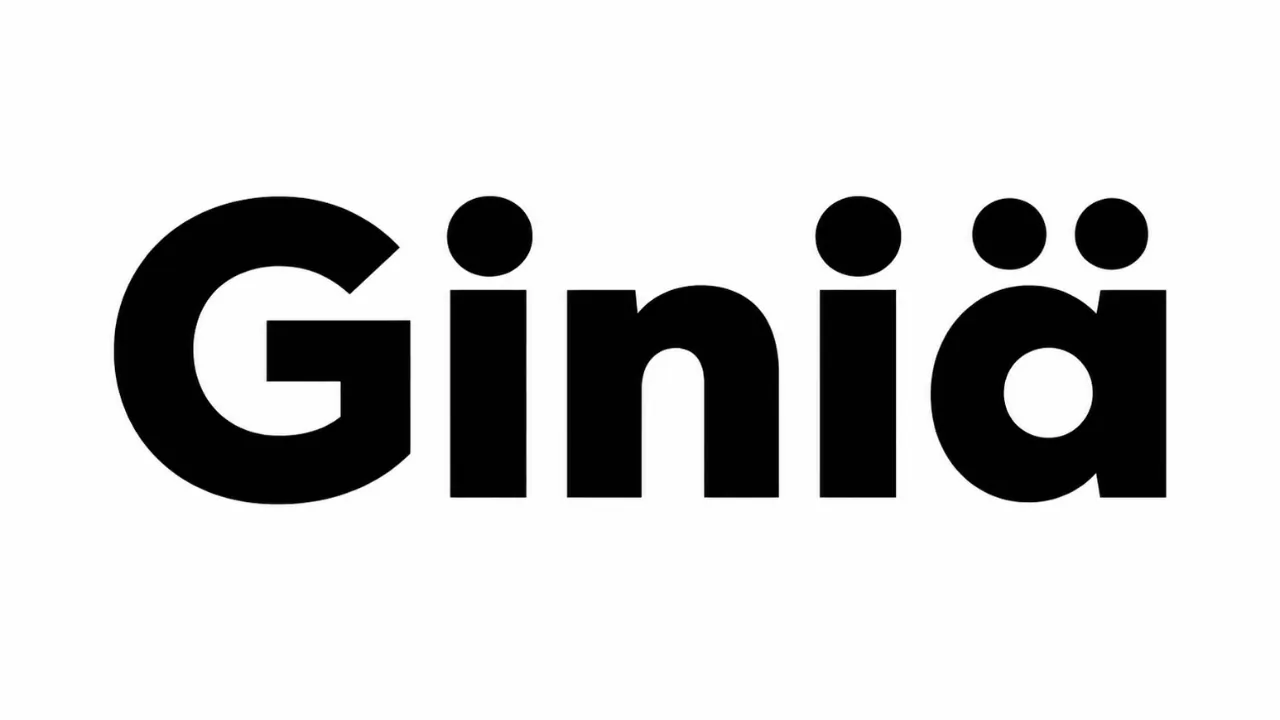
One feature people immediately notice is the use of the character “ä.”
That single character gives giniä a different visual identity compared with ordinary English words. Readers familiar with Nordic or Central European languages often recognize accented characters as part of everyday writing, while English-speaking audiences tend to notice them immediately.
This difference helps explain why giniä attracts attention even before readers know anything else about it.
Regional context matters
Language influences online searches more than most people realize.
A name that looks completely ordinary in one country may appear unusual somewhere else. That difference often leads people to search for additional context, compare sources, and explore discussions from different regions.
For giniä, regional curiosity plays an important role in keeping search interest active.
Why search results often disagree
One of the biggest frustrations surrounding giniä is the lack of consistency across existing articles.
Several websites repeat nearly identical wording without offering anything new. Others make confident statements but provide no supporting evidence. A few simply copy each other, creating an endless cycle of recycled content.
Readers notice this quickly.
Instead of finding clear information, they move from one article to another searching for answers that never fully arrive.
Good content avoids that mistake. It separates observation from assumption and focuses on information that can be discussed responsibly instead of treating speculation as established fact.
Could giniä become a recognizable brand?
Brand names succeed for different reasons, but memorable names almost always have one advantage—they stay in people’s minds.
From a branding perspective, giniä has qualities that creative businesses often appreciate.
It is short.
It is visually distinctive.
It is easy to remember.
It is unlikely to be confused with long descriptive names.
Those characteristics make it suitable for creative industries, digital products, personal projects, design studios, or modern online communities. Of course, a memorable name alone does not build a successful brand. Reputation, quality, and consistency always matter more than the name itself.
Still, first impressions count, and giniä naturally creates curiosity.
Why originality matters more than repetition
Publishing another article that copies existing pages adds little value.
Readers reward content that offers a fresh perspective instead of repeating familiar sentences. Search engines increasingly reward that approach as well.
For giniä, originality means asking better questions instead of inventing dramatic answers.
Why are people searching for it?
Why do discussions differ?
Why has curiosity continued instead of disappearing?
Those questions produce stronger articles because they focus on real reader intent rather than unsupported conclusions.
Common mistakes found in existing content
A careful review of online discussions reveals several recurring problems.
The first mistake is presenting assumptions as facts.
The second is filling paragraphs with repetitive wording simply to increase article length.
Another common issue is relying on dramatic language instead of useful insight.
Readers rarely appreciate exaggerated claims. They prefer balanced writing that acknowledges uncertainty where necessary while still providing practical context.
That approach builds trust over time.
Search behavior explains more than speculation
Understanding how people search often explains a topic better than unsupported theories.
Someone notices giniä in a conversation.
Another person sees it in a blog.
Someone else finds it through search suggestions.
Each visitor arrives with a slightly different question, yet they all expect clear information.
This shared curiosity keeps search activity alive.
Instead of chasing sensational stories, thoughtful content should answer the questions readers actually have. That creates a better experience and encourages visitors to spend more time exploring the article.
Where giniä may continue to appear
The future of giniä depends on how people continue using it across the internet.
If businesses adopt it as a brand, discussions will naturally shift toward products and services.
If creative communities continue mentioning it, the focus may remain on identity, design, or digital culture.
If search interest grows steadily, more publishers will cover the subject and hopefully replace speculation with better research.
Regardless of which direction it takes, the strongest articles will always be those that value accuracy over attention.
Writing about giniä requires balance
Every unfamiliar subject creates a temptation to fill knowledge gaps with assumptions.
That approach might attract clicks for a short time, but it rarely earns long-term trust.
A better article examines what people are actually searching for, looks at the patterns that can be observed, and avoids pretending certainty where evidence is limited.
That balance makes information more useful and far more credible.
Final thoughts
The most interesting part of giniä is not mystery for the sake of mystery. It is the way online curiosity develops around distinctive names and keeps growing when readers cannot find clear, trustworthy discussion. Instead of repeating recycled claims, good writing should answer genuine questions, stay grounded in observable facts, and leave readers with confidence that they spent their time on something worthwhile. That standard is what separates forgettable content from articles people choose to share and revisit.
FAQs
1. What makes giniä different from other uncommon online topics?
Its continued search interest despite limited consistent information makes it stand out from short-lived internet trends.
2. Why do articles about giniä often conflict with one another?
Many published pages rely on repeated or unsupported information instead of original research, leading to inconsistent explanations.
3. Can giniä become more widely recognized in the future?
Yes. Continued use in online discussions, branding, or digital projects could increase its visibility over time.
4. Why are readers still searching for giniä?
Most people encounter the name in passing and want reliable context instead of speculation, which keeps search activity active.
5. What is the best approach when writing about giniä?
Focus on verified observations, avoid unsupported claims, and provide useful context that respects the reader’s intelligence instead of chasing attention.
Read More: Kellogg Innovation Network: How Collaborative Leadership Drives Lasting Innovation