









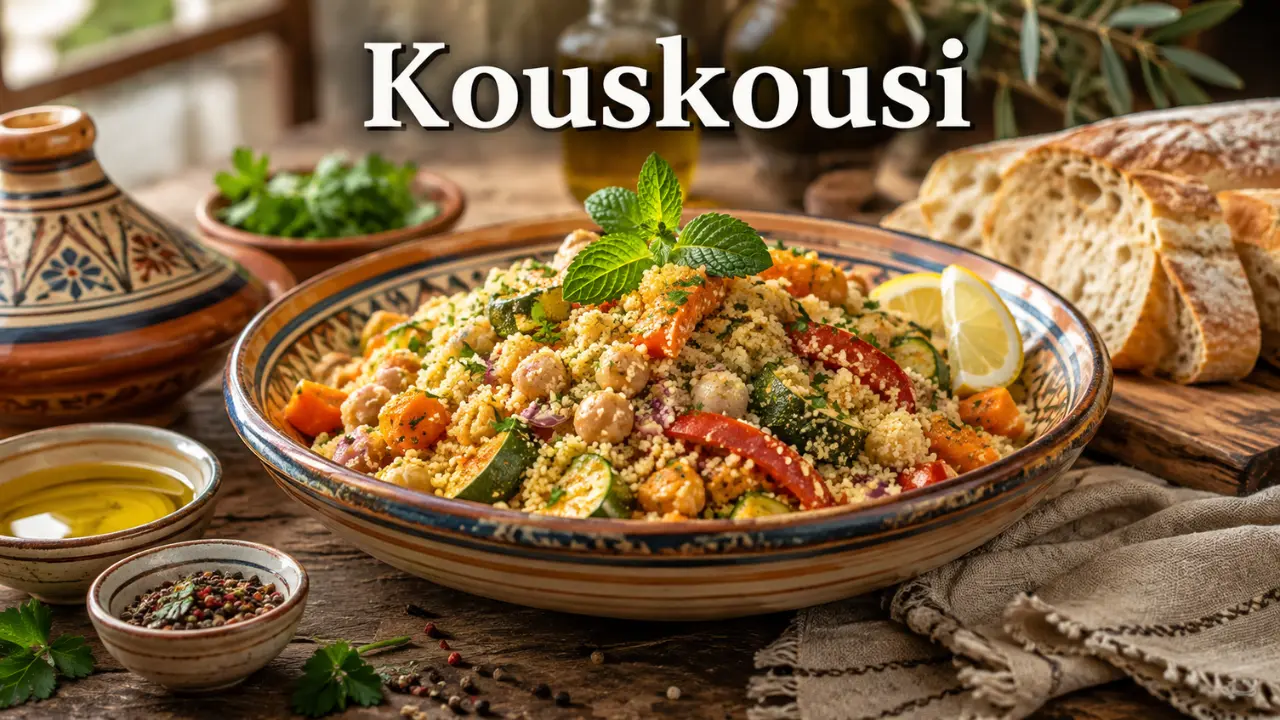
Introduction
Great meals rarely depend on expensive ingredients. They rely on ingredients that carry flavor well, adapt to different cooking styles, and leave room for creativity. That is exactly where kouskousi earns its place. Whether served beside slow-cooked meats, fresh vegetables, or seafood, it brings balance to the plate instead of competing for attention. A pantry stocked with kouskousi offers more flexibility than one filled with trendy ingredients that lose their appeal after a few recipes.
Why kouskousi Has Earned Long-Term Popularity
Food traditions survive because they continue solving everyday problems. Kouskousi has remained part of Mediterranean and North African cooking for generations because it is practical, satisfying, and remarkably adaptable.
Unlike heavier starches, it cooks in a short time and blends naturally with both rich and light dishes. A single serving can support a family dinner, a fresh salad, or a simple weekday lunch without feeling repetitive.
Its appeal also comes from texture. Properly prepared kouskousi stays light, fluffy, and separate instead of becoming dense or sticky. That quality allows sauces, herbs, and seasonings to shine while still giving every bite substance.
Modern kitchens often chase convenience at the expense of quality. Kouskousi proves those two qualities can exist together.
A Culinary Tradition Built Over Generations
Long before quick meals became fashionable, families relied on ingredients that stretched simple harvests into satisfying meals. Kouskousi became one of those dependable staples across North Africa before spreading throughout Mediterranean kitchens.
Traditional preparation often involved hand-rolling semolina into small granules before steaming them carefully over simmering stews. That process demanded patience, yet it rewarded cooks with texture that machine-produced products still try to imitate.
Regional recipes developed naturally over time.
In Morocco, kouskousi often appears beside slow-cooked lamb, root vegetables, and warm spices.
In Tunisia, cooks frequently pair it with seafood or spiced broths that add depth without overwhelming the grain.
Across Greek cuisine, similar preparations highlight olive oil, tomatoes, herbs, and seasonal vegetables that create lighter meals while preserving satisfying texture.
Although preparation styles differ, the foundation remains consistent: honest ingredients prepared with care.
What Makes Quality kouskousi Different
Not every package delivers the same result.
Well-made kouskousi begins with high-quality durum wheat semolina. The grain should cook evenly while maintaining individual texture rather than collapsing into clumps.
Fresh products usually display a clean golden color without excessive dust inside the package.
Once cooked, each grain should remain separate after fluffing with a fork.
Low-quality products often absorb water unevenly, leaving portions overcooked while other areas stay dry.
That difference becomes obvious during the first bite.
Choosing better ingredients at the grocery store saves far more disappointment than trying to correct poor texture during cooking.
Simple Ingredients Create Better Food
One reason experienced home cooks appreciate kouskousi is its straightforward ingredient list.
The traditional version relies primarily on:
- Durum wheat semolina
- Water
- A small amount of salt
- Olive oil in selected recipes
Because the base stays mild, nearly every ingredient around it becomes more noticeable.
Fresh herbs taste brighter.
Roasted vegetables develop deeper sweetness.
Rich broths add body without making the dish feel heavy.
This balance explains why elaborate sauces are rarely necessary. Kouskousi performs best when supported by ingredients that complement rather than dominate.
The Right Cooking Method Changes Everything
The difference between excellent kouskousi and disappointing kouskousi often comes down to a handful of simple decisions.
Measure Liquid Carefully
Adding excess liquid remains the most common mistake.
Too much moisture creates soft clumps that lose their light texture.
Carefully measured broth or water allows every grain to absorb only what it needs.
Let It Rest Before Fluffing
Patience matters.
After cooking, allow kouskousi several minutes to absorb remaining moisture naturally.
Only then should it be fluffed gently with a fork.
Skipping this step produces uneven texture that no seasoning can fix later.
Use Broth Instead of Plain Water
A flavorful broth immediately improves the finished dish.
Chicken broth creates richness.
Vegetable broth keeps lighter recipes balanced.
Seafood broth pairs naturally with shrimp and white fish.
Even a modest change in cooking liquid transforms the final result.
Ingredients That Pair Naturally with kouskousi
Versatility remains one of its strongest qualities.
Few pantry staples work comfortably beside such a wide range of ingredients.
Slow-Cooked Lamb
Tender lamb and rich cooking juices create one of the most satisfying combinations.
The broth settles into every grain while preserving the light structure that makes kouskousi enjoyable.
Grilled Chicken
Simple seasoning allows both ingredients to complement each other.
Fresh parsley, lemon zest, and roasted garlic complete the plate without unnecessary complexity.
Seafood
Grilled shrimp, sea bass, cod, or salmon all work exceptionally well.
Their lighter flavor allows herbs, citrus, and olive oil to remain noticeable.
Roasted Vegetables
Carrots, zucchini, peppers, onions, eggplant, and tomatoes develop natural sweetness during roasting.
Combined with kouskousi, they create a filling meal without relying on meat.
Chickpeas and Lentils
Plant-based meals become more satisfying when legumes are added.
Their earthy flavor blends naturally while increasing protein and fiber.
Nutrition That Supports Everyday Eating
Healthy meals should feel enjoyable rather than restrictive.
Kouskousi contributes carbohydrates that provide steady energy while remaining relatively low in fat. It also supplies plant-based protein, selenium, and several B vitamins that support normal body functions.
The nutritional value improves even further when paired with vegetables, lean proteins, olive oil, and fresh herbs.
Heavy cream sauces or excessive butter can easily overpower those benefits.
The ingredient itself is balanced. The final meal depends on thoughtful preparation.
Why Texture Deserves More Attention Than Flavor
Flavor attracts attention first.
Texture decides whether people prepare the dish again.
Perfectly cooked kouskousi remains light, airy, and separate from the first bite to the last. It absorbs sauces without becoming soggy and supports delicate ingredients without overpowering them.
That balance is difficult to achieve with heavier starches.
It also explains why leftover kouskousi often performs well in salads or lunch bowls the following day.
Foods that maintain quality after storage naturally become reliable kitchen staples.
Serving Ideas That Never Feel Repetitive
One reason kouskousi remains relevant is its ability to fit different occasions without feeling predictable. A single ingredient can become the centerpiece of a comforting family dinner, a refreshing lunch, or an elegant side dish.
For a hearty meal, serve kouskousi beneath slow-cooked lamb with onions, carrots, and chickpeas. The cooking juices soak into the grains without making them heavy, creating a balanced dish where every ingredient has a purpose.
A lighter option works just as well. Toss warm kouskousi with roasted zucchini, cherry tomatoes, cucumber, parsley, mint, olive oil, and fresh lemon juice. The result is fresh, satisfying, and suitable for warm weather without sacrificing flavor.
Seafood also deserves attention. Grilled shrimp, baked cod, or pan-seared salmon pair naturally with kouskousi because the grains absorb citrus, herbs, and light sauces while allowing the seafood to remain the highlight of the plate.
Even simple roasted vegetables become more filling when served over kouskousi. Eggplant, peppers, squash, mushrooms, and onions create a meal that feels complete rather than like a side dish.
Small Details That Improve Every Plate
Excellent cooking rarely depends on complicated techniques.
Fresh herbs should be added just before serving instead of cooking them for long periods. Parsley, coriander, dill, and mint retain their freshness and brighten the finished dish.
A squeeze of lemon juice adds contrast without masking the natural flavor of kouskousi.
Toasted almonds, walnuts, or pine nuts introduce crunch that makes each bite more interesting.
A drizzle of good olive oil just before serving creates a smoother finish and ties the ingredients together.
These adjustments take only a few minutes, yet they noticeably improve the final result.
Common Mistakes Worth Avoiding
Even experienced home cooks occasionally make avoidable mistakes with kouskousi.
Using Too Much Liquid
Excess liquid produces soft, sticky grains that lose their delicate texture. Careful measuring delivers far better results than guessing.
Overcooking
Leaving kouskousi on the heat longer than necessary removes the light texture that makes it appealing.
Skipping the Resting Time
Freshly cooked kouskousi needs a few minutes to absorb remaining moisture evenly. Fluffing it too soon often creates uneven texture.
Forgetting to Season
Salt alone is rarely enough.
Fresh herbs, quality olive oil, citrus, and a well-seasoned broth give the finished dish depth without making it complicated.
Stirring Too Aggressively
A fork is a better choice than a spoon for fluffing. Gentle movement keeps the grains separate and preserves their texture.
Storing kouskousi the Right Way
Cooking extra portions can save valuable time during a busy week.
Allow kouskousi to cool before placing it in an airtight container. Refrigeration keeps it fresh for several days while preserving most of its texture.
When reheating, add a small splash of broth or water and fluff gently with a fork. This restores moisture without making the grains soggy.
Freezing is also possible for longer storage. After thawing, gentle reheating produces the best texture.
Proper storage means one batch of kouskousi can become several completely different meals throughout the week.
Buying Better kouskousi
Quality begins at the store.
Look for products made from durum wheat semolina with a clean appearance and even-sized grains. Consistent texture usually indicates careful production.
Avoid packages with excessive broken pieces or fine dust, as these can affect cooking performance.
If local specialty markets carry traditional Mediterranean or North African brands, they are often worth trying because they frequently preserve the texture expected in traditional cooking.
Good ingredients reduce the need for complicated recipes.
Why Home Cooks Continue Choosing kouskousi
Food habits change, yet dependable ingredients remain.
Kouskousi fits modern schedules because it cooks quickly, adapts to seasonal produce, and pairs naturally with meat, seafood, and plant-based meals.
It works equally well for everyday dinners and special occasions.
Its mild flavor welcomes herbs, spices, vegetables, and broths without becoming overwhelming.
That flexibility explains why generations of cooks continue returning to kouskousi instead of replacing it with short-lived food trends.
The best pantry staples are the ones that solve everyday cooking challenges while still producing meals people genuinely enjoy.
Conclusion
Kouskousi has earned its reputation through consistency rather than attention. It delivers satisfying texture, adapts to countless ingredients, and rewards careful cooking without demanding complicated techniques. Whether the goal is a simple weekday dinner or a traditional family meal, kouskousi offers a dependable foundation that continues to prove its value. Good cooking is often about making smart choices with honest ingredients, and kouskousi remains one of those choices that rarely disappoints.
FAQs
1. Can kouskousi be prepared the day before serving?
Yes. Store cooked kouskousi in an airtight container in the refrigerator and refresh it with a small amount of broth before serving.
2. Which herbs complement kouskousi the most?
Fresh parsley, mint, coriander, and dill pair exceptionally well because they add brightness without overpowering the dish.
3. Is kouskousi suitable for vegetarian meals?
Absolutely. Roasted vegetables, chickpeas, lentils, mushrooms, and olive oil create satisfying vegetarian dishes with kouskousi as the base.
4. What is the easiest way to improve the flavor of kouskousi?
Cook it in a well-seasoned broth instead of plain water, then finish it with fresh herbs, olive oil, and lemon juice.
5. Why does kouskousi sometimes lose its light texture?
The most common causes are too much cooking liquid, overcooking, or skipping the resting time before fluffing the grains with a fork.
Read More: Serlig: A Practical Guide to Clear Digital Communication and Content Quality